
The Federal University of Santa Maria (UFSM) has inaugurated Brazil’s first maker laboratory dedicated to foodtech. Integrated into the InovaTec UFSM Technological Park and funded by the Ministry of Agriculture and Livestock, the Foodtech FabLab was created with the mission of promoting innovation and entrepreneurship in the food, beverage, and supplement sectors. The facility will offer advanced infrastructure, training, and specialized services aimed at transforming the food chain efficiently and sustainably.
This initiative responds to a global scenario marked by profound transformations. There is increasing pressure for more sustainable food systems, resilient supply chains, and alternatives to traditional chemical inputs in the face of challenges such as food insecurity, supply instability, climate change, and growing demands for quality and transparency. At the same time, product reformulation to meet new consumer preferences requires applied research, agility, and regulatory certainty. In this context, prototyping and technological validation environments have become strategic in bridging the gap between scientific knowledge and market application.
For this reason, the Foodtech FabLab was created with a global perspective. It is the result of a project designed to connect Brazilian academic excellence with the demands of an international market in constant evolution. The space is collaborative and equipped with advanced technologies, enabling researchers, students, startups, companies, and regulatory stakeholders to work together on concrete solutions for present and future food systems.
Maker spaces are creative environments that promote hands-on learning and foster creativity, experimentation, and skill development. They provide access to tools, equipment, and platforms for testing, prototyping, and validating ideas. In the foodtech sector, initiatives of this kind are still rare worldwide, and in Brazil, the Foodtech FabLab stands out as a pioneering proposal.
UFSM has already demonstrated its capacity to generate innovative businesses in this field with companies such as Baristo and Delivery Much, which were founded by UFSM students, supported by the Pulsar Technology Incubator, and have since consolidated their presence in the national market. The new laboratory builds on this track record by providing specialized infrastructure to enable other initiatives to emerge and develop with greater technical robustness.
The laboratory also has the potential to operate internationally, in connection with other innovation environments, research laboratories, and collaborative networks worldwide. Companies in this sector have been reshaping food systems through technologies applied to food processing, the development of new ingredients and products, alternative proteins, delivery platforms, traceability, retail, food service, and solutions aimed at reducing waste. The goal is to make the food chain more efficient, safe, and sustainable while meeting the growing demand for high-quality food with a lower environmental impact.
The Foodtech FabLab
More than a laboratory, the Foodtech FabLab is a structured innovation platform designed to transform ideas into viable, sustainable, and regulatory-compliant solutions. Its organization is based on strategic pillars (disruptive technologies, sustainability, and regulatory affairs), which operate in an integrated manner to reduce risks, accelerate validation processes, and expand the market potential of developed projects.
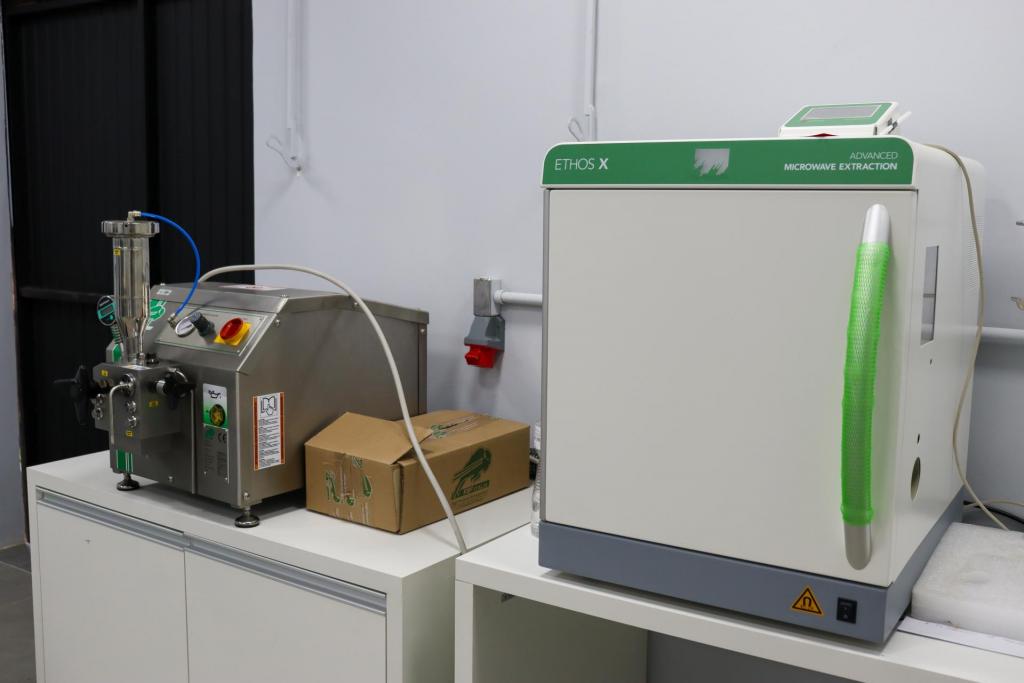
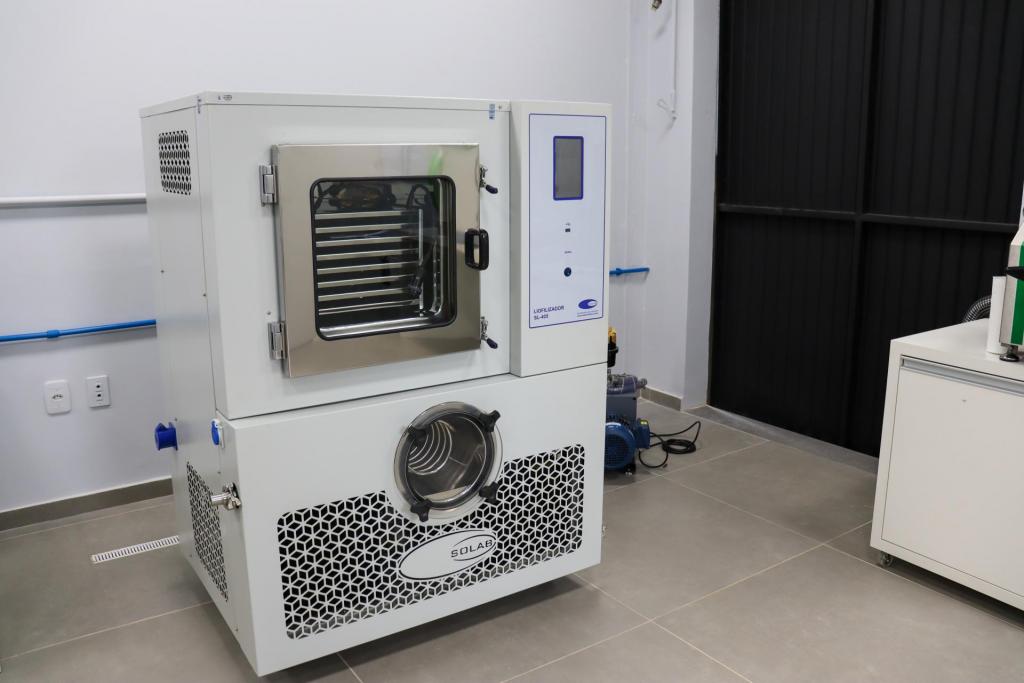
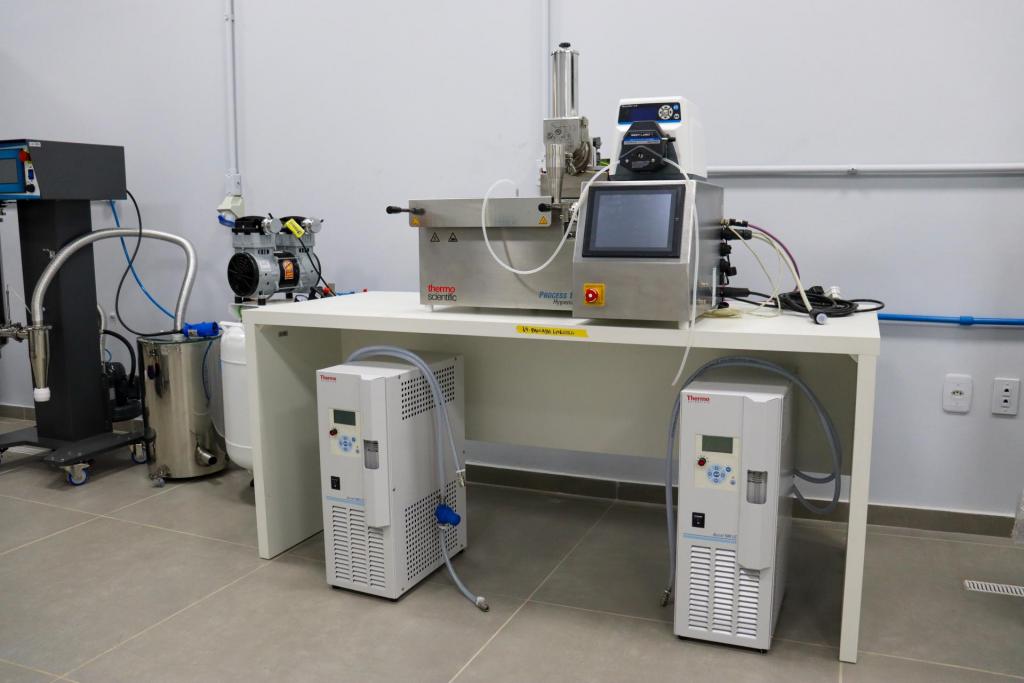
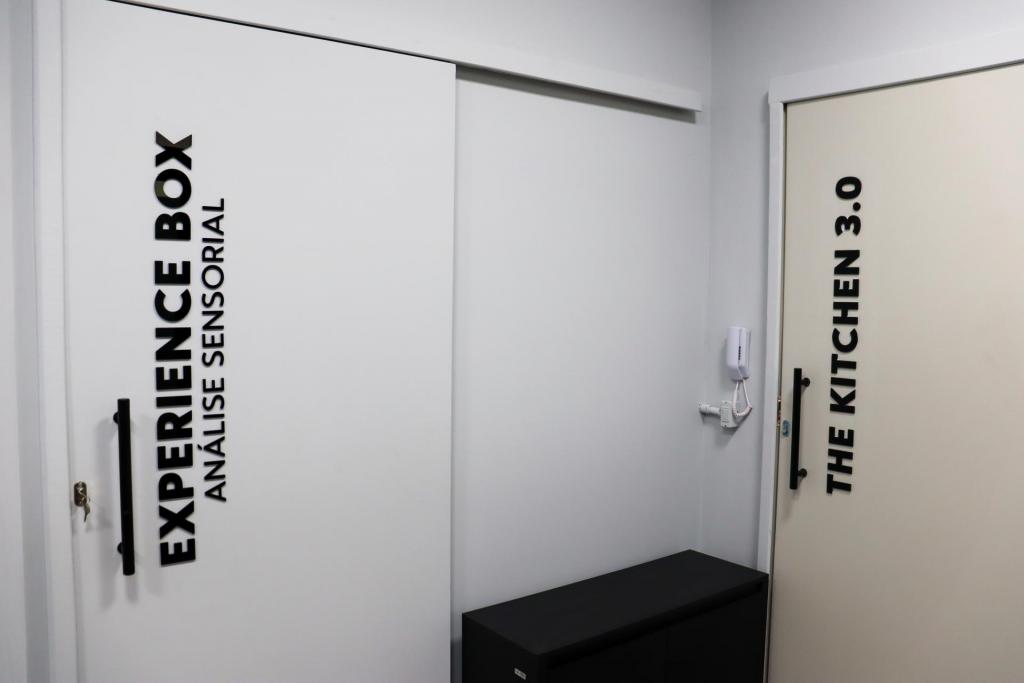
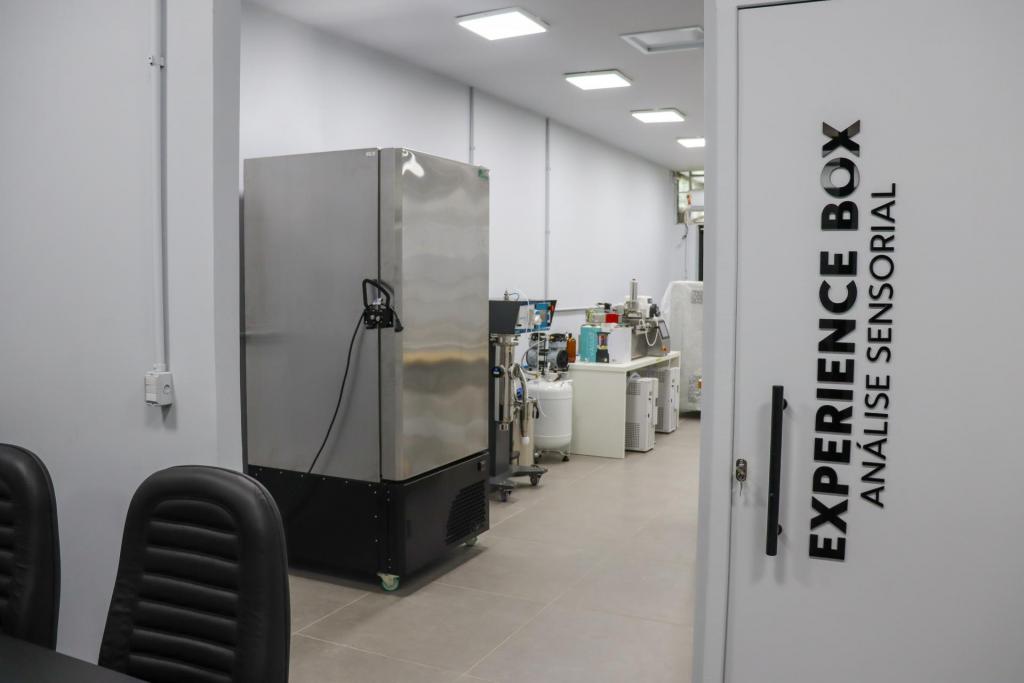
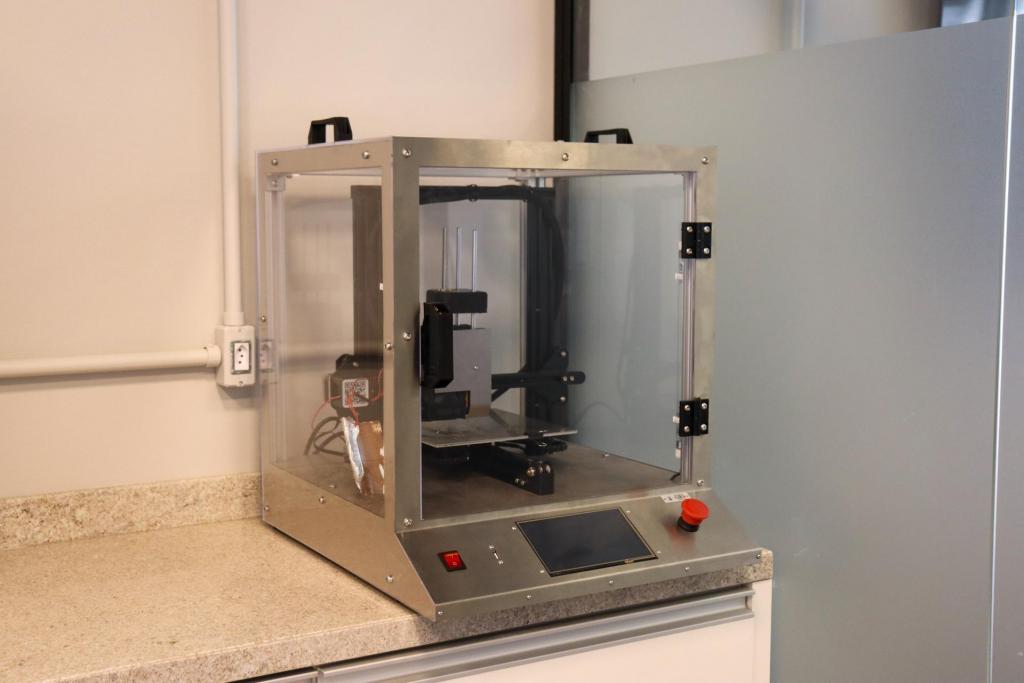
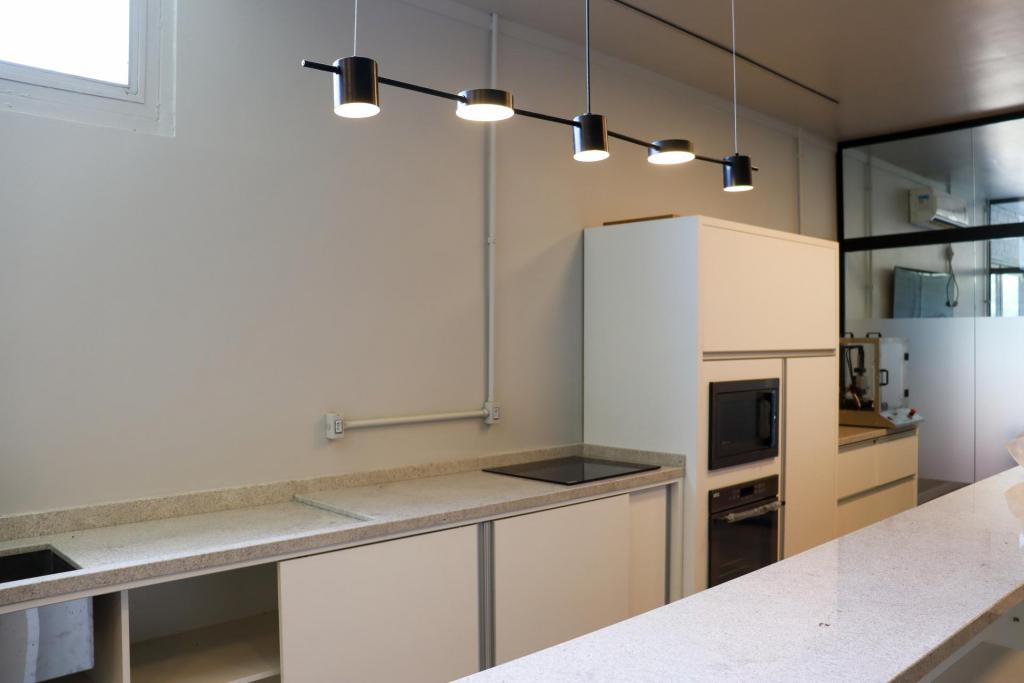
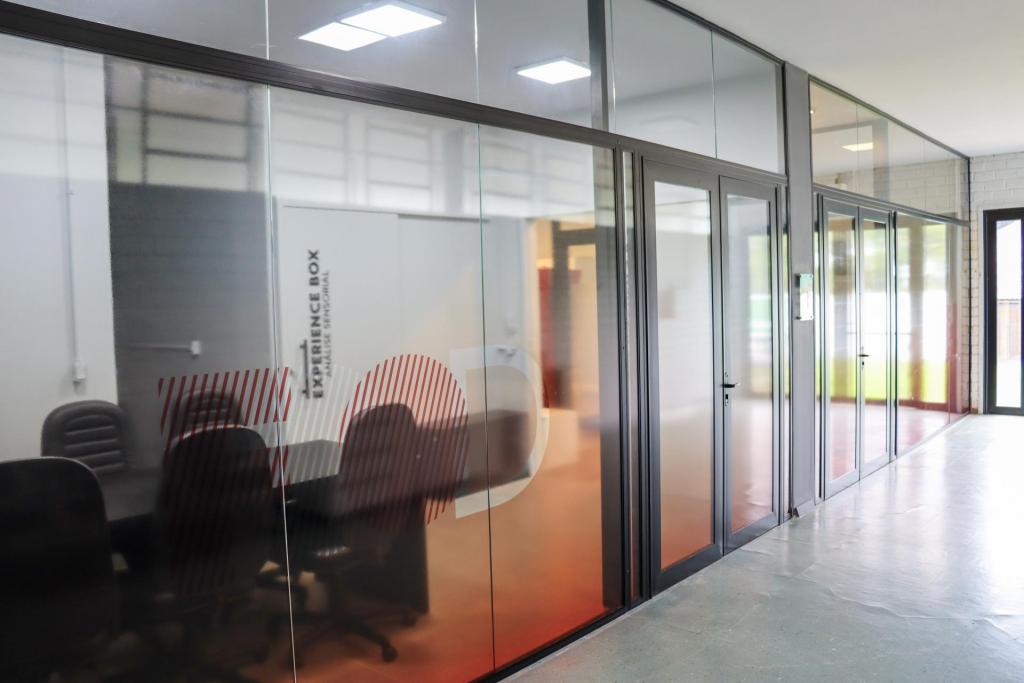
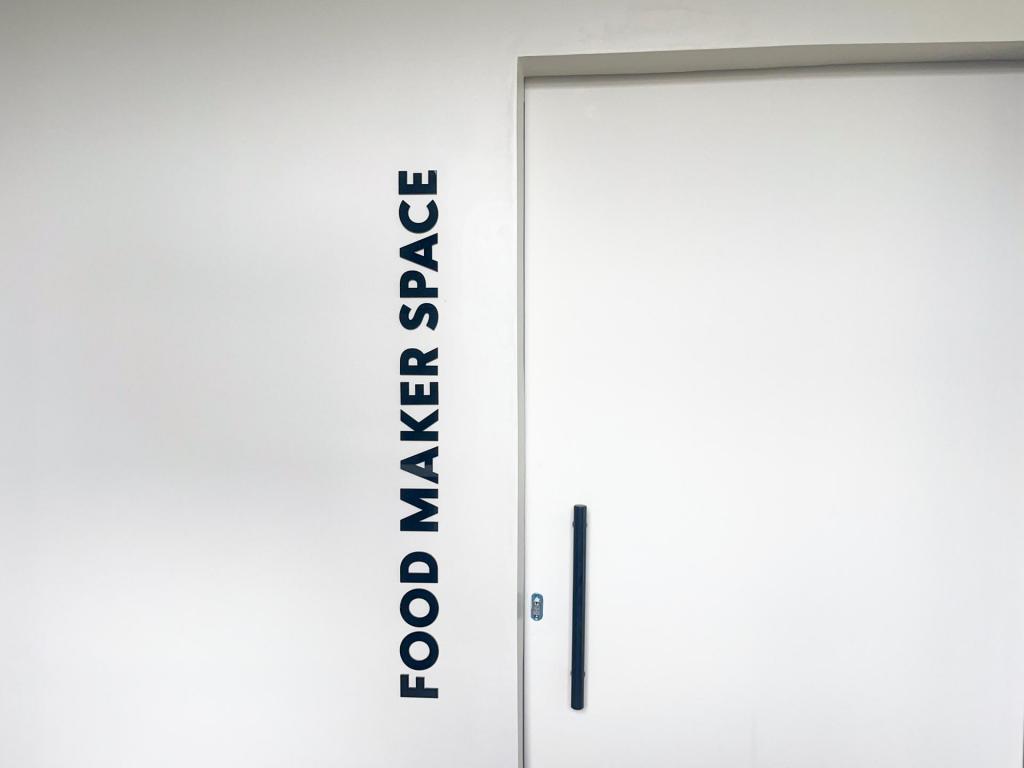
The infrastructure includes the Food Maker Space, the Experience Box for sensory analysis, Kitchen 3.0, and meeting rooms for collaboration with partners. Within its technological core, the laboratory is equipped with tools such as a 3D food printer, a continuous pasteurizer, a protein extruder, a solvent-free aroma extractor, a nano-emulsifier, and drying systems. This combination enables the development and testing of solutions across multiple fronts, including minimally processed vegetables, functional beverages, animal- and plant-based proteins, emulsions, natural aromas, applications involving microorganisms, pasta, and bakery products.
In practice, researchers, startups, and entrepreneurs will be able to prototype new ingredients, reformulate products, validate industrial processes at a pilot scale, and test production models before investing in commercial-scale operations. The environment was designed to shorten the cycle between concept, technical validation, and market entry, reducing technological and economic uncertainties.
Sustainability is not only a guiding principle but also a measurable component of the production process. The experimental kitchen is equipped with sensors capable of monitoring the consumption of inputs, waste generation, leftovers, and water usage, enabling data-driven decision-making. This approach supports the development of products with a lower environmental footprint and contributes to the construction of more responsible and efficient supply chains.
The regulation pillar sets the Foodtech FabLab apart by integrating, from the outset, dialogue with municipal, state, and federal agencies. Regulation is one of the main challenges in the food industry, where strict standards of quality, safety, and public health are essential for the commercialization of new products. The laboratory will work closely with institutions such as the Brazilian Health Regulatory Agency (ANVISA) and the Ministry of Agriculture and Livestock, while also engaging with international regulatory references to ensure that innovations move forward with both technical and legal support.
The FabLab will provide technical support and consulting services to companies and startups, assisting them in understanding and meeting legal requirements from the early stages of development. As an intermediary, the lab will help streamline processes that are often complex, time-consuming, and frequently delay the launch of innovations due to regulatory non-compliance.
Another key commitment is talent development. The environment was designed to promote active, creative, and practical learning, stimulating both technical competencies and soft skills. The aim is to train specialists at UFSM (including students from the Bachelor’s programs in Nutrition and Food Technology, the Graduate Program in Food Science and Technology, and research groups in the field), as well as external professionals, thereby expanding its impact beyond the University.
Even before the inauguration, investments were made in human capital development. In 2025, InovaTec launched the FoodTech Skills program, focused on training students, researchers, and entrepreneurs to operate in food innovation environments. Initially centered on technical and regulatory content, the program now integrates theory and practice within the laboratory itself, preparing professionals to fully explore the potential of the new infrastructure. Approximately 100 individuals have already participated in Foodtech Skills activities covering product registration, laboratory best practices, sanitary regulations, advanced microwave systems, and food extrusion technologies.
The Inauguration
With a focus on openness and collaboration, the Foodtech FabLab is set to expand opportunities for connection between the university, the community, the market, and industry. Located in Building 61H at the InovaTec UFSM Technological Park, the space fosters strategic partnerships, stimulates the creation of science- and technology-based businesses, and strengthens regional development.
In the coming months, the goal is to fully integrate the laboratory into academic and business activities, consolidating it as a reference hub in the field of food innovation. Through this articulation, the facility is expected to drive new projects, attract investment, and further position Santa Maria as a recognized center on the regional and national innovation map.
On March 31, InovaTec UFSM opened its doors to welcome the community into this new space, connect ideas, and celebrate another milestone in innovation at UFSM.
Text: Jéssica Missias Medeiros, Technical Communication Assistant at the InovaTec UFSM Technology Park.
Translation: Amy Lee, translator at the International Affairs Office